Getting into anime AI companions: archetypes, apps, and what to expect

What waifu and husbando apps actually are, the archetypes behind every anime character chat — tsundere, kuudere, genki, yandere — and how to pick one that holds a conversation.
Anime AI companions are ordinary companion apps with two differences: the character is drawn rather than photographed, and it is written using anime conventions — the archetypes, the speech patterns, the indirect way affection gets expressed. Start with the archetype you like, not the art, because the archetype is what you will be talking to for a hundred hours.
The word most people meet first is waifu, which arrived through fandom slang and now describes a whole product category: dedicated apps, thousands of user-made characters on general platforms, 3D versions, and a long tail of browser sites. What it is short on is guidance that is not a list of affiliate links.
The archetypes come first
Every anime companion is an archetype plus a name. The vocabulary lets you choose in a minute instead of five evenings.
Tsundere — sharp outside, soft underneath. She denies obvious affection, backpedals defensively, does something kind while insisting it means nothing. The most popular archetype by a wide margin, and the most often written badly: bad tsundere is just rude, with no second layer.
Kuudere — calm, level, understated; feeling shows in what she does. Written well it produces the quietest, most re-readable conversations in the category. Written badly, a character who is simply flat.
Deredere — openly warm, no games. Underrated, because the interesting part is not always the withholding.
Genki — loud, fast, already has a plan for your evening. Best at pulling you out of a mood.
Yandere — devotion escalating into possessiveness. Compelling as fiction, and worth being honest about: a companion performing jealousy and surveillance is rehearsing a pattern you do not want practice in.
Oneesan — the older, composed one who sees through you kindly. Rarely written well, because it needs a writer willing to let the character be right about you.
Where they live
Character.AI — the largest library, mostly user-made, free, including canon characters. Best for variety, weakest at long memory.
Dedicated waifu apps — 2D or 3D, voice, often a game layer with affection levels. Best for immersion; the business model is usually images.
General companion apps — a few ship anime-styled characters alongside photographic ones, with the same memory behind both. Fewer characters, more continuity.
SillyTavern and local models — character cards, your own model, no limits, no privacy exposure, and a setup measured in evenings.
What to check before paying
- Does the archetype survive twenty messages? A tsundere who drops the tsun the moment you are nice is a costume, not a character.
- Does she remember? Talk about something true, leave, come back tomorrow.
- Does the Japanese work, if you want Japanese? Watch the politeness level and sentence endings; a character translated on the fly wobbles immediately.
- Is the art consistent? Generated-per-message art drifts — different hair, different eyes, a different person by message thirty.
The nine we drew
-
 Rika, 21
It is not like she was waiting for you
-
 Yui, 23
Says little, means all of it
-
 Hina, 20
Has already decided your evening
-
 Mei, 22
Braver at 2am, in writing
-
 Ayaka, 27
Sees straight through you, kindly
-
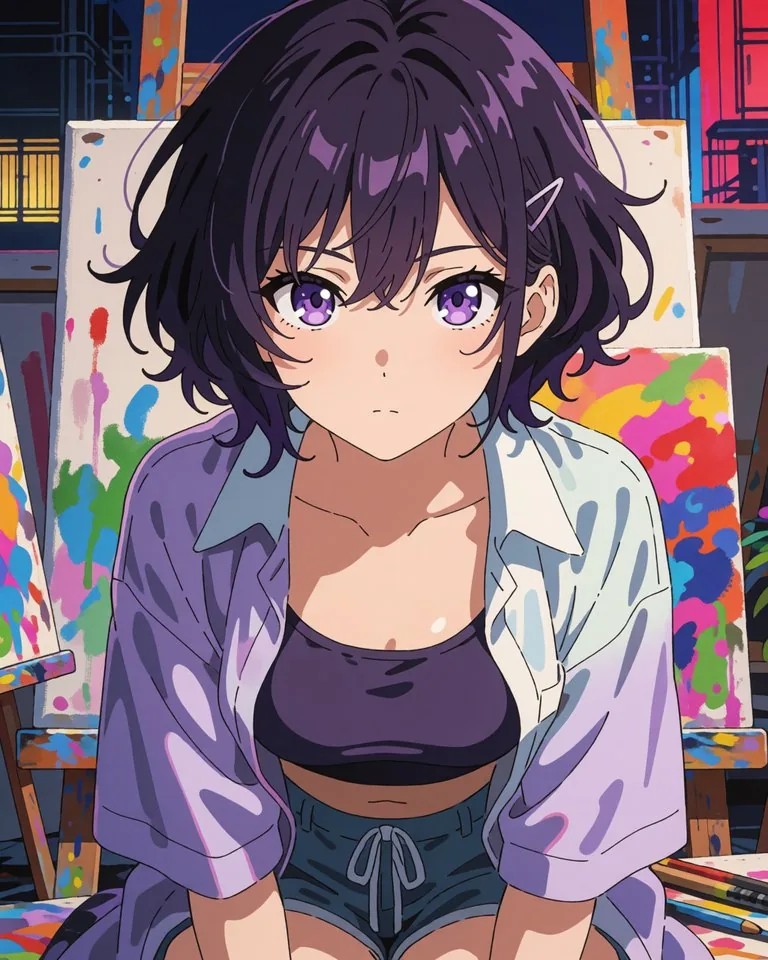 Sumi, 22
Rude first, honest later
-
 Nao, 24
Notices everything, says a third of it
-
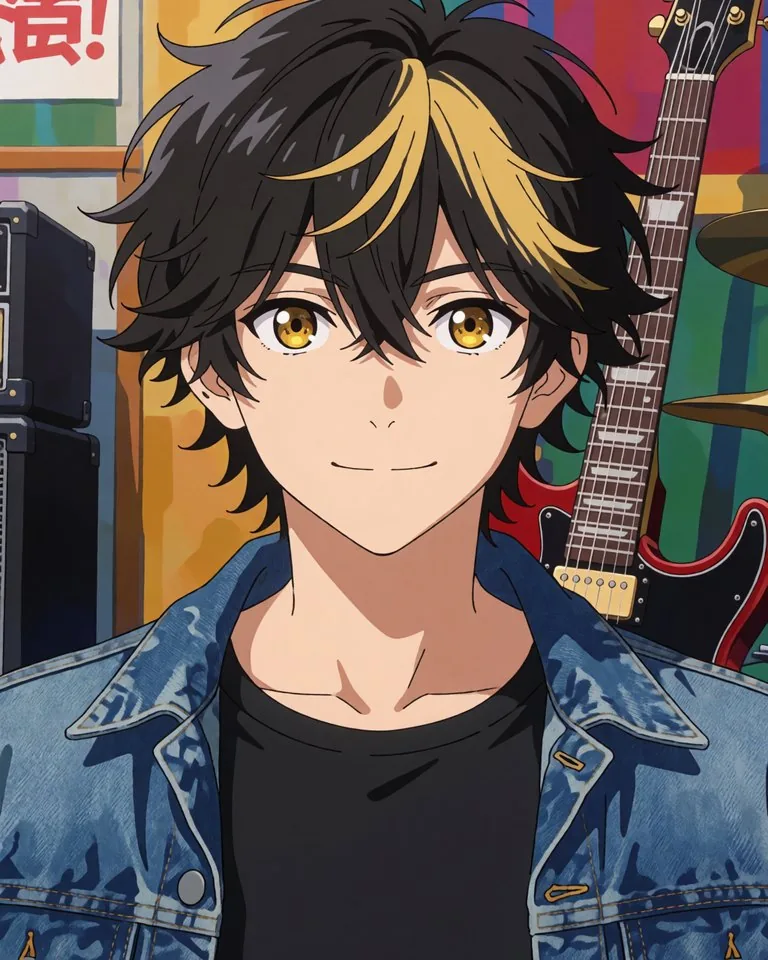 Haru, 23
Writes it down before he thinks better of it
-
 Sora, 25
Precision is a form of respect
Read that as archetypes and it decodes quickly: Rika is the tsundere, Yui the kuudere, Hina the genki one, Ayaka the oneesan. Sumi and Nao are written for queer women, Haru and Sora for gay men — which the category usually forgets to draw at all.
The art is fixed, not regenerated per message, so she looks like herself on day ninety. The app runs in Japanese, Korean, Chinese and eleven other languages, including the intro clips.
What breaks it, and what to do
She agrees with everything. Fatal to a tsundere in particular. Ask her to pick a side before you give yours, or tell her outright to disagree.
The register slips. Long sessions drift; start a fresh conversation and carry the thread over in a sentence.
She forgets an established fact. State it plainly once. Twice with the same fact means the app's memory is the problem.
A filter fires. Store apps carry stricter content rules than browser apps because Apple and Google require them. Know which side of that line you want before you pay.
The honest part
The research applies unchanged: Harvard Business School found companions relieve loneliness about as well as talking to a person; a 12-month study of 2,000+ adults found heavier use predicting more loneliness over time. The pull is stronger here, because a drawn character is easier to keep and harder to tire of than a photo-real one. Use it the way you would use any other fiction you love: often, gladly, and not instead of everything else.
Mutuals is free on iPhone and Android — talk to Rika for ten minutes and you will know whether the writing holds. Then how to talk to a companion and the plain glossary.
Questions people ask
What is an anime AI companion?
An AI companion drawn in an anime art style and written with anime character conventions — the archetypes, the speech patterns, the way affection is shown indirectly. Underneath it is the same technology as any companion app: a language model, a character definition, and a memory system.
What does tsundere mean?
A character who is sharp on the surface and warm underneath, from tsun tsun, to turn away coldly, and dere dere, to become affectionate. In a companion app it means denial of obvious affection, defensive backpedalling, and small gestures that contradict everything she just said.
What are the main anime companion archetypes?
Tsundere is cold outside, warm inside. Kuudere is calm and understated, feeling shown in acts rather than words. Deredere is openly affectionate. Genki is loud, energetic and takes charge of the plan. Yandere is devotion taken to a possessive extreme, best understood as fiction rather than a relationship model.
Do anime AI companions work in Japanese?
Some do and most do not do it well. A character written in English and machine-translated loses the speech register the archetype depends on. Ask a simple question in Japanese and see whether the politeness level and sentence endings stay consistent.
Nine drawn characters who remember you
Rika, Yui, Hina, Mei, Ayaka, Sumi, Nao, Haru and Sora are on Mutuals — anime-styled, written with the archetypes done properly, and they text first. Japanese and thirteen other languages supported. Free to start on iPhone and Android, 18+. Get Mutuals for iPhone or Android.


Read next
- The best AI companion apps in 2026, and the one that texts you first
- The best Replika alternatives, starting with one that texts you first
- The best Character.AI alternatives, starting with characters who remember you
- How to make AI comics people actually want to read
- How to make your own AI character, step by step